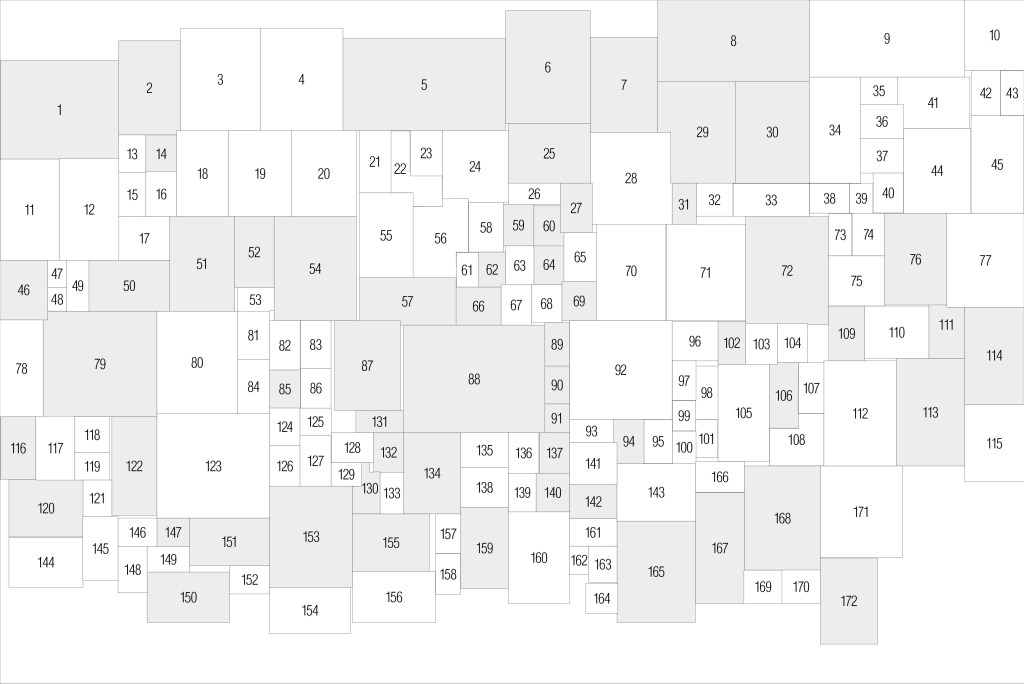
Pauline Boty: collaged wall key for 1964 Roger Mayne photo, v2, March 2021
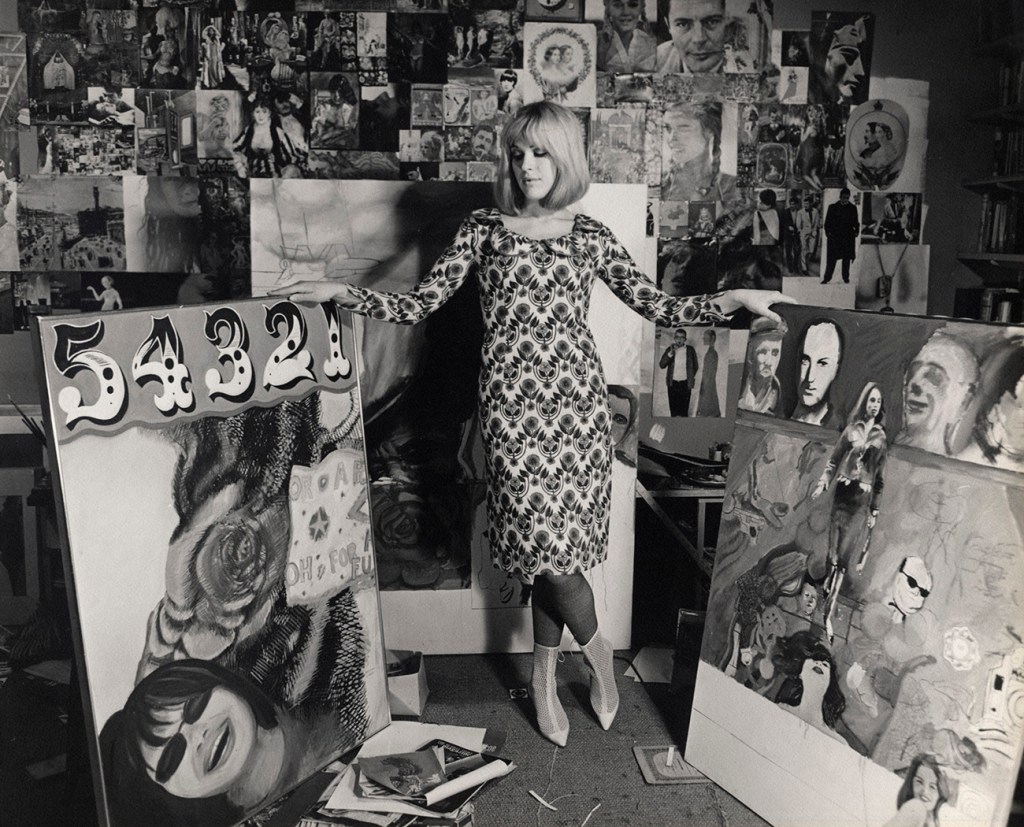
The collaged wall created by Pauline Boty and photographed by Roger Mayne in 1964 has now been added to the site together with the numbered key shown above identifying some 60 items so far. As stated on the page, it is greatly hoped that this will provide a starting point for identifying the array of items chosen by Boty to adorn the wall, and that in time more of them will be identified and the list expanded further. All comments, corrections, clarifications and suggestions from visitors to the site in this regard would be greatly appreciated, via the Contact form here: [link] The new page can be accessed here: [link]
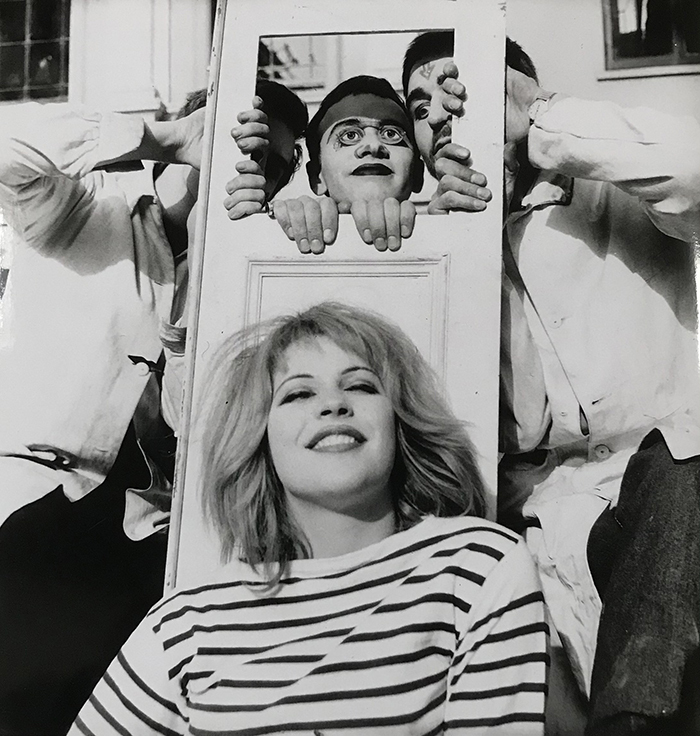
The first of a number of new images of Pauline Boty has been added to the website thanks to the generosity of one of her friends and fellow RCA students, Geoffrey Reeve, who also co-exhibited his paintings in the pioneering exhibition Blake, Boty, Porter, Reeve at the AIA Gallery in 1961. Pictured below is Boty with fellow students from the stained glass department, photographed by Reeve for an article entitled “It’s Magic” in ARK 33 magazine, Autumn 1962. Further of his portraits of Boty and her contemporaries will be shown in due course on the site via In Focus>Photos, changing on a regular basis. Over 30 of Reeve’s photos are available to license from Bridgeman Images for personal, presentation and editorial use here: [link]
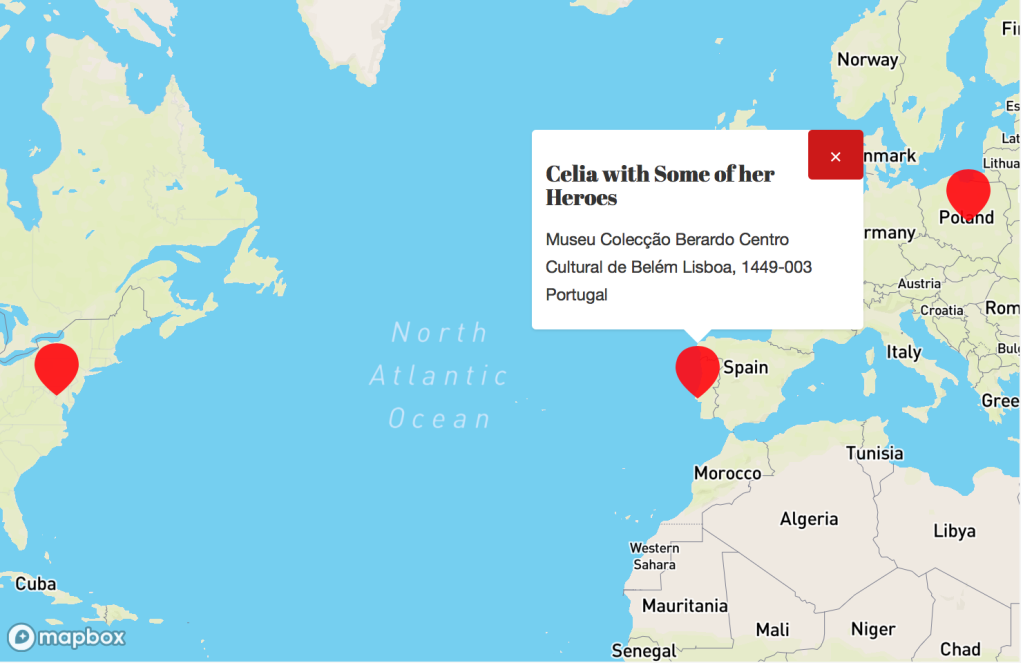
The screen grab below is of a new map added to the website showing the locations of Pauline Boty’s works in galleries and museums around the world. The map itself is available here [link] NB: not all are permanently on display however, so please be sure to check with the institution in question before making a trip specifically to see a work.
Please note: above shows a screen shot only of the map. Please visit the page itself to see all locations.
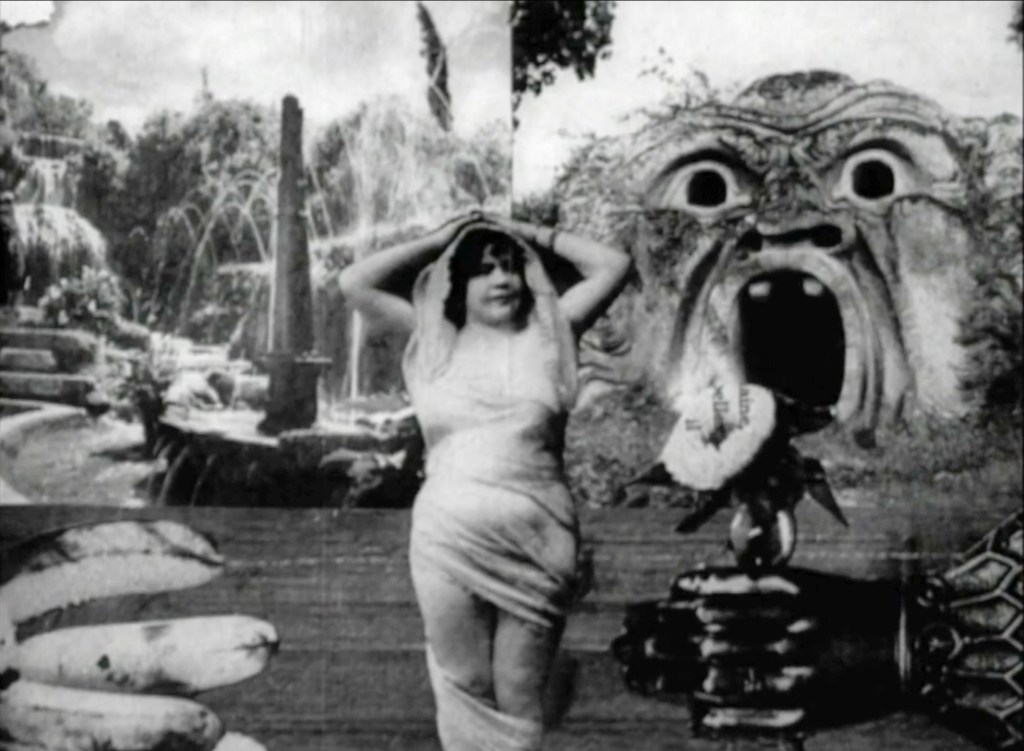
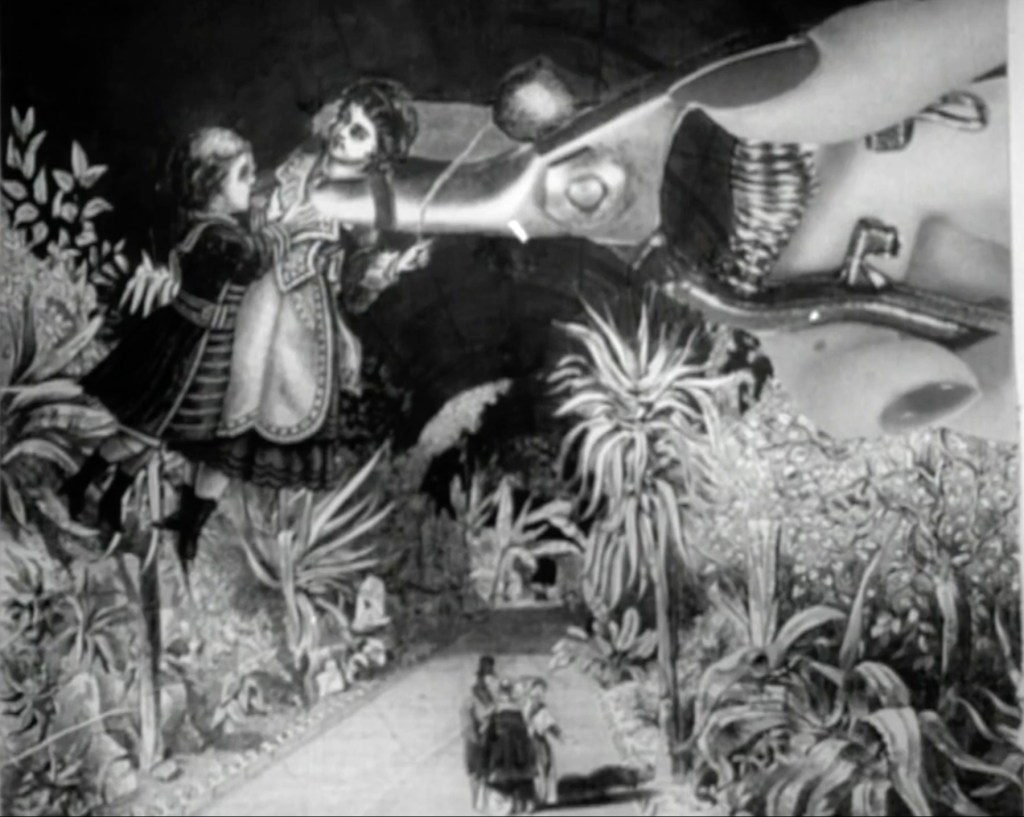
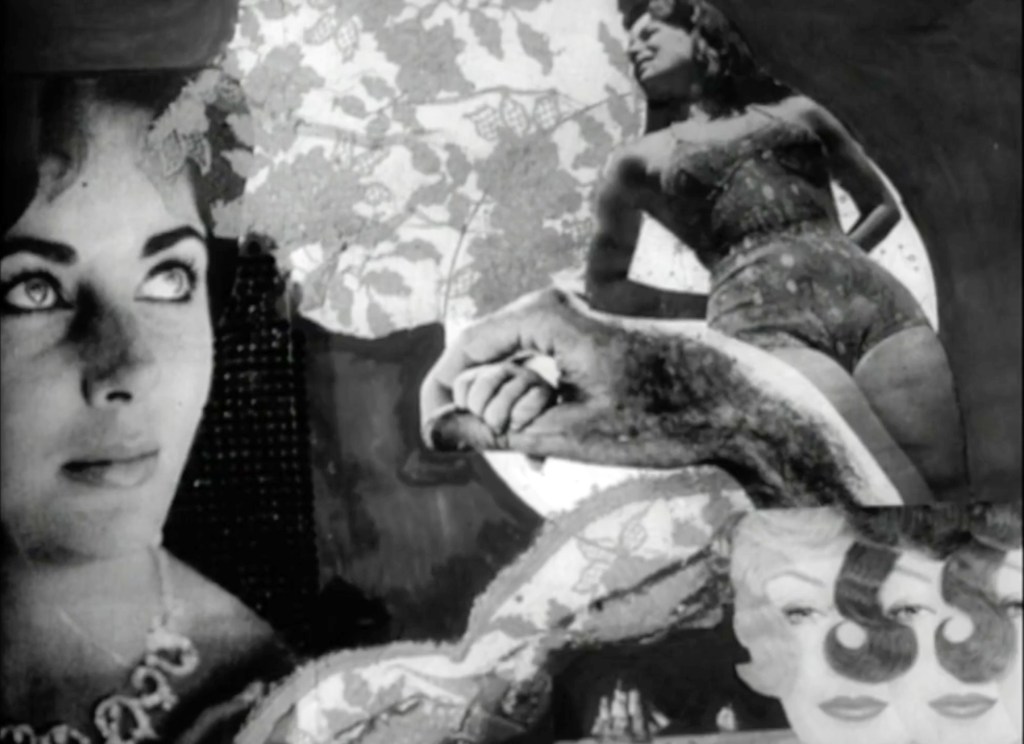
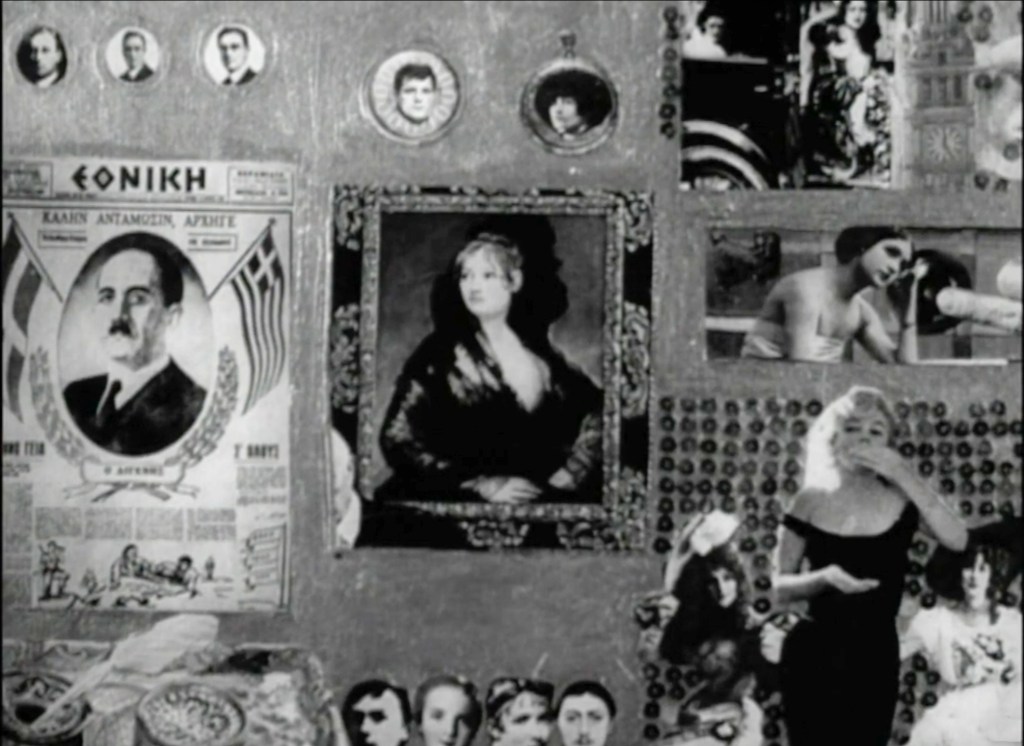
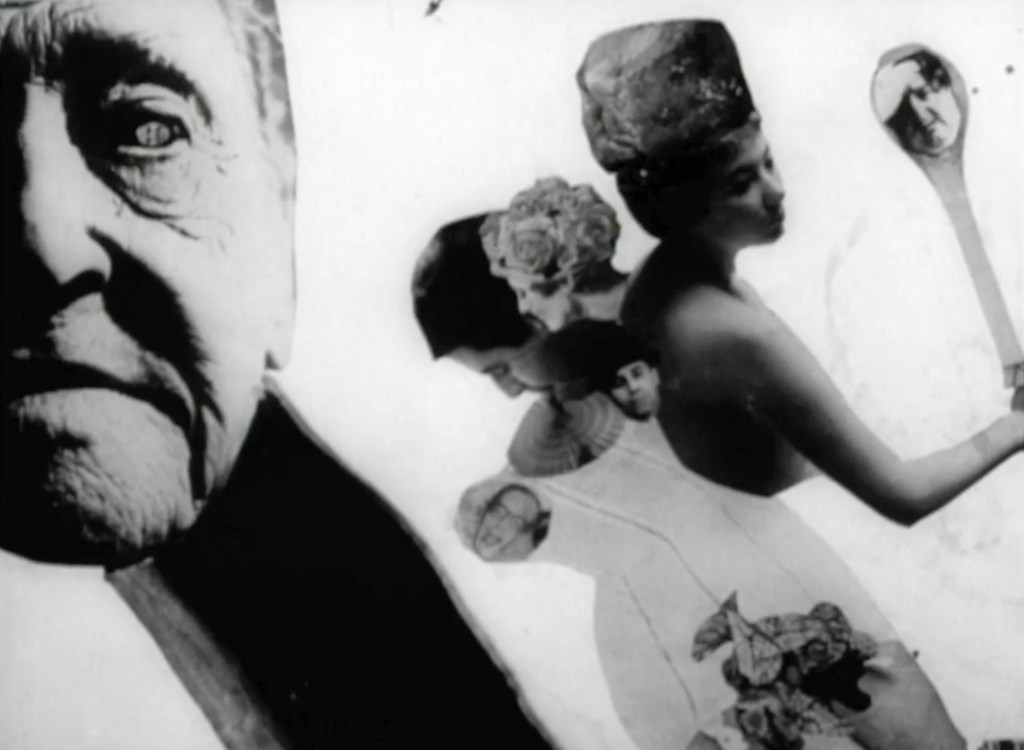
The slideshow below of Pauline Boty’s collages shown in Ken Russell’s 1962 documentary Pop Goes the Easel has now also been added to the Collages section of the site [link] as detailed in a previous News item here [link].
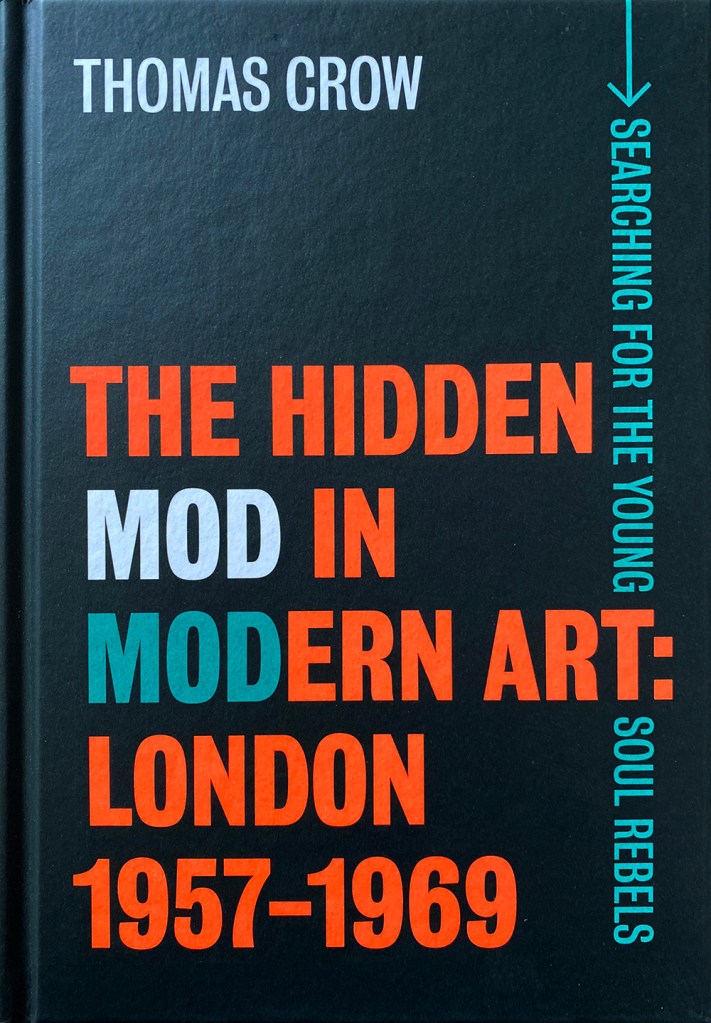
“The Hidden Mod in Modern Art: London, 1957-1969” by Thomas Crow.
“The Hidden Mod in Modern Art: London, 1957-1969” by Thomas Crow looks into the considerable influence of the Mod subculture on key figures of the 1960s British art scene. One of its six chapters is devoted in its entirety to Pauline Boty and Bridget Riley, including a fascinating account of the former’s association with John Schlesinger and his films Billy Liar and Darling. The book is published by the Paul Mellon Centre.
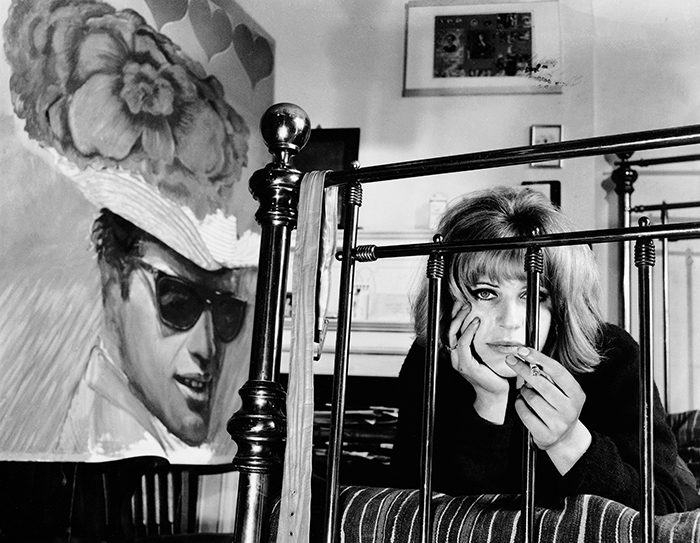
Pauline Boty, photographed by Lewis Morley, 1963. Bromide print, 29.3 x 35.6 cm. National Portrait Gallery, London
From the Yale University Press website: “Bonding over matters of taste and style, the ‘Mods’ of late 1950s London recognised in one another shared affinities for Italian-style suits, tidy haircuts, espresso bars, Vespa scooters and the latest American jazz. In this groundbreaking book, leading art historian Thomas Crow argues that the figure of the Mod exerted an influence beyond its assumed social boundaries by exemplifying the postwar metropolis in all of its excitement and complexity. Crow examines the works of key figures in the London art scene of the 1960s, including Robyn Denny, David Hockney, Pauline Boty, Bridget Riley and Bruce McLean, who shared and heightened aspects of this new and youthful urbanity. The triumphant arrival of the international counterculture forced both young Mods and established artists to reassess and regroup in novel, revealing formations. Understanding the London Mod brings with it a needed, up-to-date reckoning with the legacies of Situationism, Social Art History and Cultural Studies.”
Imprint: Paul Mellon Centre Distribution: Yale University Press Format: Hardback ISBN: 9781913107130 Dimensions: 241 x 165mm Pages: 200 Illustrations: 140 colour + b-w illustrations Price: £25
“Ready, Steady, Go! The Weekend Starts Here” by Andy Neill. Published by BMG Books.
“Ready, Steady, Go! The Weekend Starts Here” by Andy Neill has just been published by BMG Books. The 12″ x 12″ hardback comprises 272 pages with a UK retail price of £39.99.
Pauline Boty danced on the first show and was from then on a regular dancer with Derek Boshier. Both are mentioned in the book and Boshier’s 10th July 1964 dancer’s badge button is included among its illustrations.
From the BMG press release:
“Almost sixty years have passed since the first transmission of the most influential popular music programme in British television history. Ready, Steady, Go! began broadcasting on Friday, 9th August 1963 and became an essential television ritual for the newly confident British teenager. It provided a style bible – setting trends and becoming the barometer for popular culture. It epitomised the spirit of youthful optimism that gripped Britain in the mid- Sixties, reflected by the handpicked Mod audience who were an integral part of the programme. This was perfectly embodied by girl-next-door presenter Cathy McGowan whose shy, almost awkward demeanour directly connected her with the show’s target audience. It ran for three and a half years up to December 1966, its demise coinciding with the loss of pop’s innocence and the birth of the ‘rock industry.’ Within that time RSG! set a blueprint for music presentation and production on British television that resonated over the following decades and can still be felt today. It attracted and presented anyone who was anyone in popular music at the time: The Beatles, The Rolling Stones, The Who, Marvin Gaye, The Supremes and Otis Redding were just some of the important names that appeared. RSG! not only gave invaluable television promotion to these greats but also provided such then-unknowns as Rod Stewart, Marc Bolan, David Bowie, Donovan, and Jimi Hendrix with their first small screen exposure. Ready, Steady, Go! broke through technical barriers. Young adventurous directors such as Michael Lindsay-Hogg experimented with camera techniques used in French nouvelle vague cinema. The sets that were designed each week by Nicholas Ferguson were consciously modelled on current mod fashions and op art (Hockney, Riley, Blake etc.) Ready, Steady, Go! has never been documented in full detail before – until now. Thanks to exclusive contributions and unseen photographs and memorabilia, author Andy Neill fully examines Ready, Steady, Go! from quintessential Swinging London accessory to its current iconic status as the most legendary popular music programme of all time.”
I would like to thank the BBC Photo Library for their assistance in confirming that copyright for the images of Pauline Boty’s works shown in Ken Russell’s 1962 documentary Pop Goes the Easel resides with the Estate of Pauline Boty, and am delighted therefore to be able to include them on this website. Commissioned by BBC Television for its Monitor series, Russell’s film includes 16 of Boty’s works shown initially full screen and face-on and then side-on whilst she sat with Peter Blake to discuss their content and sources of imagery. The titles aren’t discussed, but as mentioned in the previous News item, the hope is to ultimately match at least some of them to those of works exhibited in the Blake, Boty, Porter, Reeve exhibition which took place at the AIA Gallery whilst the programme was being filmed.
For UK viewers, Pop Goes the Easel is currently available on iPlayer here: [link]
“Blake, Boty, Porter, Reeve” list of works; AIA Gallery; 30 November – 29 December 1961
Much thanks are due to Geoffrey Reeve for sending in a copy of the list of works that include those shown by Pauline Boty in the group exhibition Blake, Boty, Porter, Reeve at the AIA Gallery in London in late 1961 which have now been added to the Collages listed here on the website. Many of these works, now sadly presumed lost, made an appearance in Ken Russell’s Pop Goes the Easel, originally broadcast by the BBC as part of the Monitor series of arts programme on 25th March 1962. Ultimately it is hoped further research will enable at least some of the lost collages shown in the film to be matched to their titles.
“London’s New Scene: Art and Culture in the 1960s” review, Dance Gazette, June 2020
Two works by Pauline Boty have been chosen for June’s Dance Gazette – the magazine for the Royal Academy of Dance – to illustrate their book review of London’s New Scene: Art and Culture in the 1960s [see previous post]. The review notes “Dance is also in the mix – from the filmmaker Ken Russell, besotted with classic Hollywood musicals, to the artist Pauline Boty, who was a regular dancer on the tv pop series Ready Steady Go! and a dab hand at the twist. ‘All over the country young girls are sprouting, shouting and shaking,’ she said, ‘and if they terrify you they meant to.’” More info on the magazine is here [link]
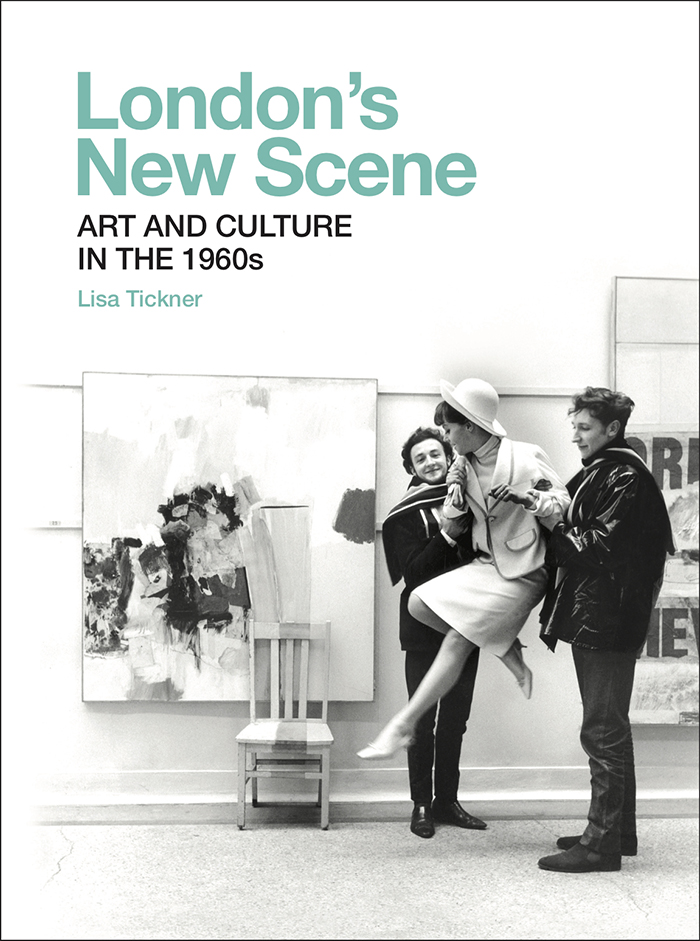
In London’s New Scene: Art and Culture in the 1960s Lisa Tickner presents a sequence of critical case studies, each of which explores a particular institution or event in the cultural life of London between 1962 and 1968. Each chapter takes a particular topic as its focus – these include Ken Russell’s film Pop Goes the Easel (1962), the opening of the Kasmin Gallery (1963), the first of the New Generation exhibitions and Painting and Sculpture of a Decade: ’54-’64 at the Whitechapel and Tate Galleries (1964), Lord Snowdon’s photographs of artists in Private View (1965), Antonioni’s London film Blow-Up (1966), and more. The book treats a film, a gallery, an exhibition, a book, a protest, as itself a ’work’: as a creative project in its own right, built from the resources to hand, subject to the pressures of the moment, comparable in its own way to the art it draws on or frames.
The illustrations include art works by David Hockney, Peter Blake, Derek Boshier, Pauline Boty, Bridget Riley, John Latham and Barry Flanagan, photographs by David Bailey, Ida Kar, Jorge Lewinski and Lord Snowdon, and a wide range of film stills, gallery installation shots, advertisements and press photography.” [information courtesy of Yale University Press]
SPECIFICATIONS Publisher: Paul Mellon Centre Distribution: Yale University Press Format: Hardback Size: 256 x 192mm Pages: 424pp Illustrations: 200/80 colour ISBN: 9781913107109 Price: £35